

Nestled in the heart of Banff National Park, the Banff Upper Hot Springs offer a unique relaxation experience at 1,585 meters (5,200 feet) above sea level, making them Canada’s highest operating hot springs. Located at the base of Sulphur Mountain, these mineral-rich waters provide a soothing escape surrounded by the stunning Canadian Rockies, with breathtaking views of Mount Rundle and Cascade Mountain. Open daily from 10 a.m. to 10 p.m., this historic site, discovered in 1883 by railway workers, blends natural beauty with modern amenities like locker rooms, a café, and heritage swimsuit rentals. Whether you’re unwinding after a day of hiking or skiing, this geothermal pool, maintained between 37°C and 40°C (98°F to 104°F), delivers a rejuvenating soak amidst a federal heritage bathhouse—a must-visit for travelers seeking tranquility at elevation.
In this detailed guide, I’ll walk you through everything you need to know to plan your visit to Banff Upper Hot Springs. From practical details like admission costs and transportation options to insider tips for maximizing your experience, I’ve got you covered. Having visited hot springs across Canada, I can say this one stands out—not just for its altitude, but for the way it combines history, nature, and accessibility. Let’s dive into the specifics with lists and tables to make your trip seamless and enjoyable.
Why Visit Banff Upper Hot Springs at 1,585 Meters?
The allure of relaxing at 1,585 meters isn’t just about bragging rights (though it’s pretty cool to say you’ve soaked at Canada’s loftiest hot springs). It’s the combination of geothermal waters, crisp mountain air, and jaw-dropping scenery that makes this spot special. Below, I’ve broken down the top reasons to add this destination to your Banff itinerary.
How to Get to Banff Upper Hot Springs
Getting to this lofty retreat is straightforward, but parking can be tricky. Here’s a breakdown of your options to ensure you arrive stress-free.
Transportation Options to Reach 1,585 Meters
- By Car: Drive from downtown Banff via Mountain Avenue (about 10 minutes). Limited parking is available, so arrive early or consider alternatives.
- By Public Transit: Take ROAM Transit Route 1 (Sulphur Mountain) from downtown Banff. Buses run every 20 minutes, and it’s a short walk from the stop.
- By Bike: A quick ride uphill from Banff town—perfect if you’re staying nearby and want some exercise before your soak.
- On Foot: A scenic 4 km (2.5-mile) hike from Banff along the Sulphur Mountain trail, though it’s steep—save your energy for relaxing!
Quick Reference Table: Transportation Details
| Method | Travel Time | Cost | Notes |
|---|---|---|---|
| Car | 10 minutes | Free (with pass) | Requires National Park Pass; limited parking |
| ROAM Transit | 5-15 minutes | $2 CAD one-way | Affordable and convenient |
| Bike | 15-20 minutes | Free | Uphill ride; bring a lock |
| Walking | 45-60 minutes | Free | Steep trail; not for everyone |
Pro Tip: Opt for transit in peak summer or winter months—parking fills up fast, and you’ll avoid the hassle.
Admission Costs and Entry Details
Before you dip your toes into Canada’s loftiest hot springs, you’ll need to know the costs and entry process. Admission is first-come, first-served—no online bookings here—so plan accordingly.
Banff Upper Hot Springs Pricing (As of March 2025)
- Adults: $17.50 CAD
- Seniors (65+): $15.25 CAD
- Youth (3-17): $15.25 CAD
- Children (Under 3): Free
- Family Pass (2 adults, 2 youth): $53 CAD
- Thermal Waters Pass: Includes entry to Cave and Basin National Historic Site—great value at a bundled rate.
Additional Fees to Consider
- Locker Token: $1.25 CAD (one-time use)
- Swimsuit Rental: $2 CAD
- Towel Rental: $2 CAD
- National Park Pass: Required for entry to Banff National Park (day pass: $10.50 CAD/adult; Discovery Pass: $72.25 CAD/year).
Note: Prices are subject to change, so check the official Parks Canada website before your visit.
What to Expect at Banff Upper Hot Springs
Wondering what it’s like to soak at 1,585 meters? Here’s a detailed rundown of the facilities, water conditions, and atmosphere to set your expectations.
Facility Highlights at Canada’s Loftiest Hot Springs
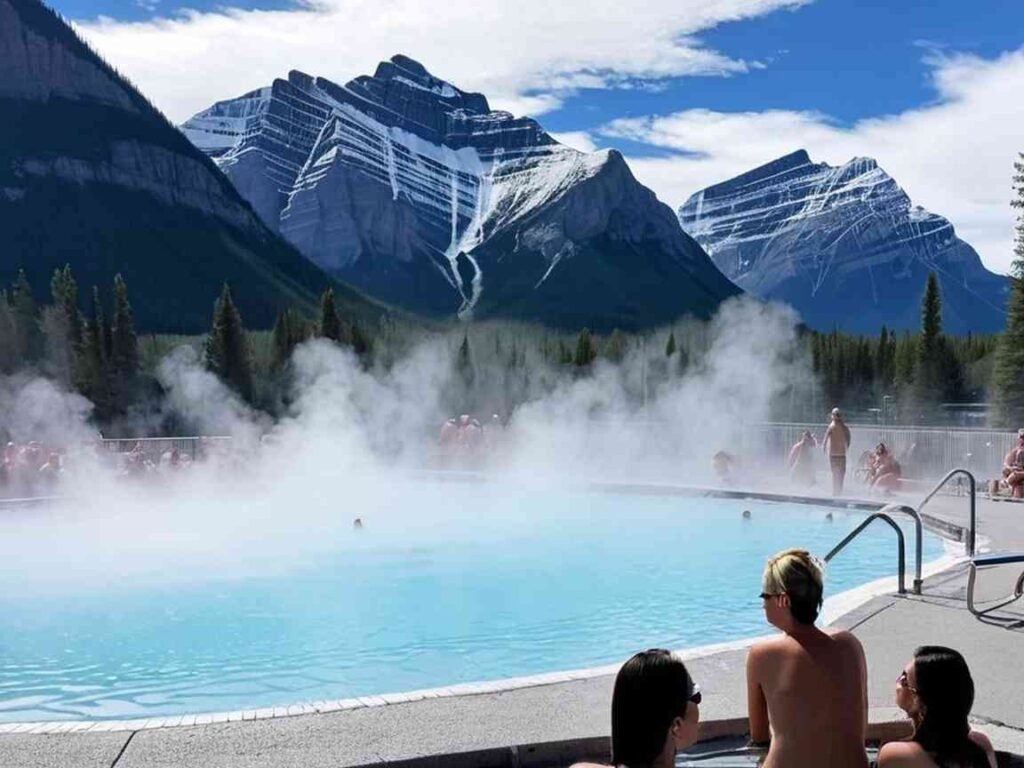
- Outdoor Hot Pool: Maintained at 37°C-40°C (98°F-104°F), filled with a mix of natural spring and heated municipal water (depending on seasonal flow).
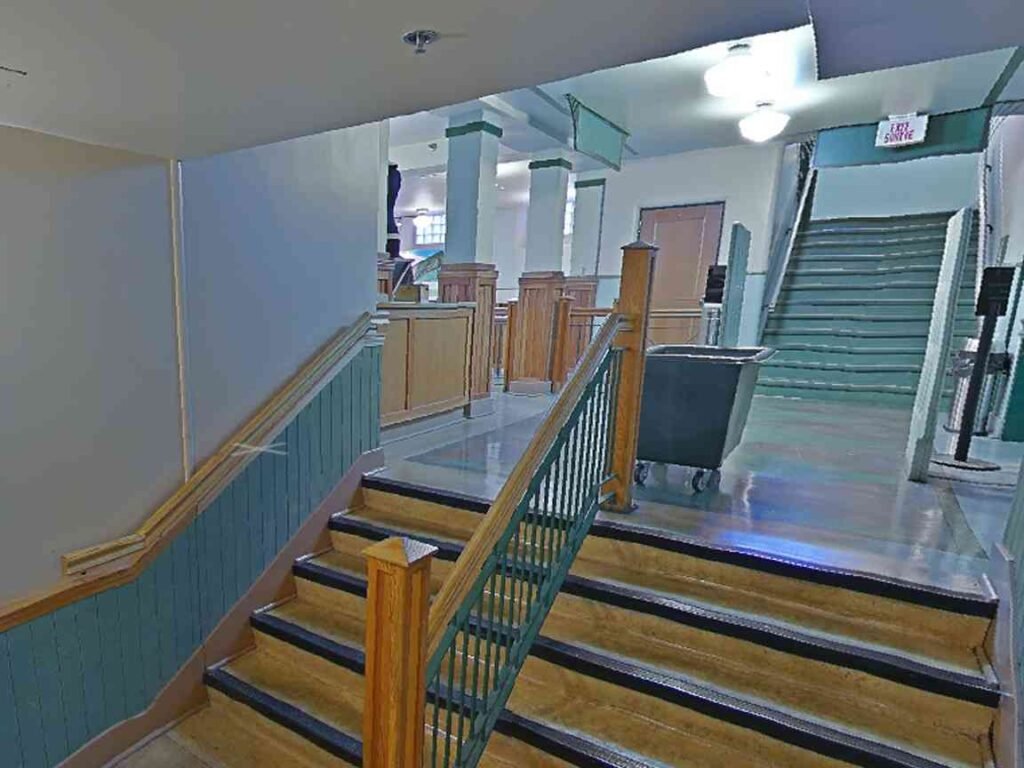
- Change Rooms: Men’s, women’s, and gender-neutral accessible options with showers, private stalls, and lockers.
- Café: Upper-level café serving snacks, coffee, and ice cream—perfect for post-soak treats.
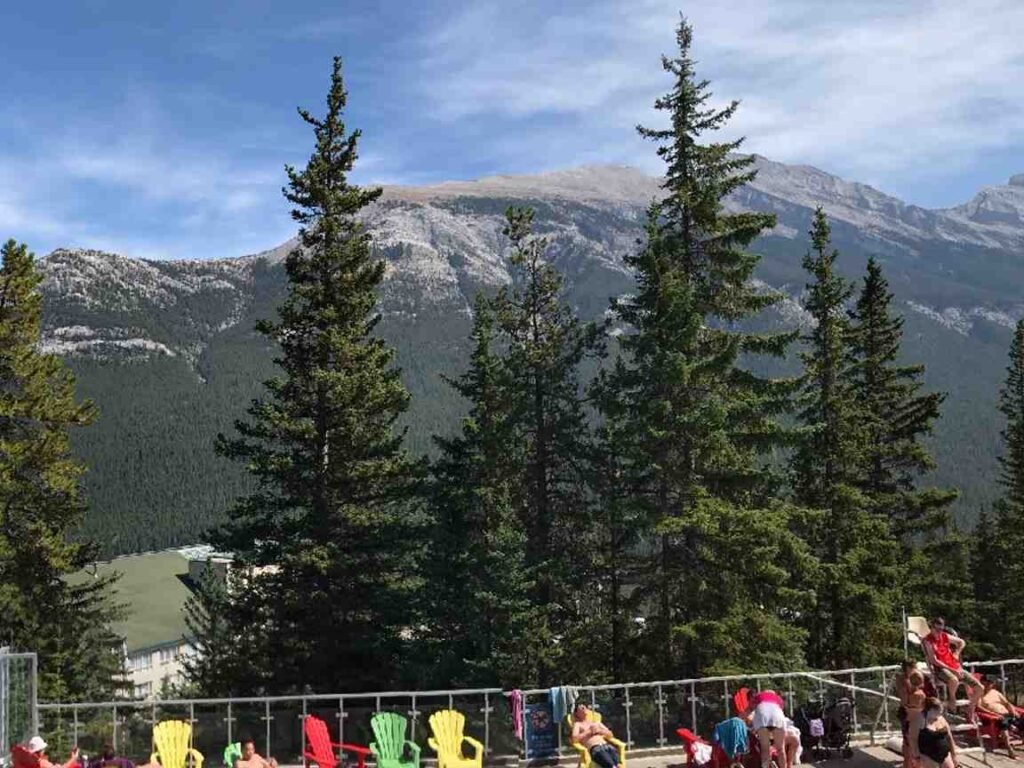
- Pool Deck: Red chairs for summer lounging and mountain views; direct pool access in colder months.
- Accessibility: Ramps, elevators, and submersible wheelchairs ensure inclusivity within the heritage building’s limits.
Water Conditions by Season
| Season | Natural Flow | Temperature | Notes |
|---|---|---|---|
| Winter | Low (municipal added) | 37°C-40°C | Cozy contrast to snowy air |
| Spring | High (900 L/min) | Slightly cooler | Peak natural flow |
| Summer | Moderate | 37°C-40°C | Ideal for evening visits |
| Fall | Decreasing | 37°C-40°C | Fewer crowds, crisp scenery |
Personal Take: I visited in winter once, and the steam rising off the pool against the snowy peaks was pure magic. It’s crowded in the afternoon, though—go early or late for a quieter soak.
Tips for an Unforgettable Visit at 1,585 Meters
To make the most of your time at Banff Upper Hot Springs, a little planning goes a long way. Here are my top tips based on experience and research.
10 Insider Tips for Relaxing at Banff Upper Hot Springs
- Arrive Early or Late: Beat the crowds by visiting at opening (10 a.m.) or after 7 p.m.
- Bring Your Own Gear: Save on rentals by packing a swimsuit, towel, and flip-flops.
- Hydrate: Drinking fountains are available—stay hydrated between dips.
- Limit Your Soak: Parks Canada suggests 60 minutes max to avoid overheating.
- Check the Weather: Cold days enhance the experience; summer evenings offer cooler air contrast.
- Use Transit: Skip parking stress with ROAM Route 1.
- Pair with Cave and Basin: The Thermal Waters Pass saves money and adds history to your trip.
- Dress Warm: Post-soak, the mountain air at 1,585 meters can feel chilly—bring layers.
- Try Heritage Swimsuits: Rent a 1920s-style suit for a fun, nostalgic twist.
- Plan a Meal: The café is handy, but downtown Banff has better dining options post-visit.
Activities to Pair with Your Hot Springs Visit
Why stop at soaking? Banff National Park offers plenty to complement your relaxation at 1,585 meters. Here’s a curated list of nearby activities.
5 Must-Do Activities Near Banff Upper Hot Springs
- Sulphur Mountain Hike: A 5.5 km (3.4-mile) trail with a 655-meter elevation gain—rewarding views await.
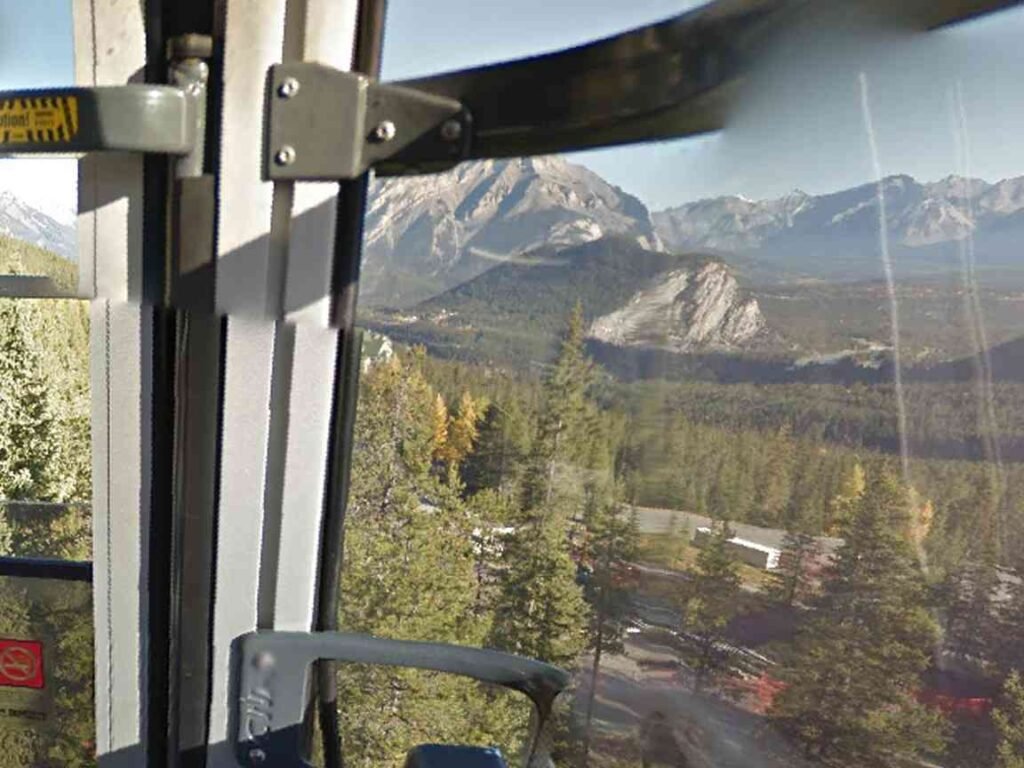
- Banff Gondola: Ride up Sulphur Mountain (a 2-minute walk from the springs) for panoramic vistas.
- Cave and Basin National Historic Site: Explore the birthplace of Canada’s national parks, just 10 minutes away.
- Johnston Canyon Hike: A 30-minute drive to stunning waterfalls—perfect pre- or post-soak.
- Downtown Banff Stroll: Shop, dine, or grab a coffee 4 km away after your visit.
Activity Comparison Table
| Activity | Distance | Duration | Difficulty | Best Time |
|---|---|---|---|---|
| Sulphur Mountain Hike | On-site | 2-3 hours | Moderate | Summer/Fall |
| Banff Gondola | 0.2 km | 1-2 hours | Easy | Year-Round |
| Cave and Basin | 4 km | 1-2 hours | Easy | Year-Round |
| Johnston Canyon | 30 km | 2-4 hours | Easy-Moderate | Winter/Summer |
| Downtown Banff | 4 km | 1-3 hours | Easy | Year-Round |
Suggestion: Pair your soak with the gondola ride—seeing the springs from above adds a whole new perspective.
Historical Significance of Banff Upper Hot Springs
The story behind this lofty retreat adds depth to your visit. Let’s explore its past in a concise list.
Key Historical Milestones
- 1883 Discovery: Railway workers stumbled upon the springs, sparking Banff National Park’s creation.
- 1886 Tourism Boom: Visitors flocked for the “water cure,” drawn by mineral-rich waters.
- 1931 Heritage Status: The bathhouse became a federal heritage building after rebuilds from fires.
- 1990s Renovation: Modern upgrades preserved its charm while enhancing accessibility.
- Today: A blend of history and relaxation at 1,585 meters, attracting global travelers.
Fun Fact: Indigenous communities used these waters for healing long before European settlers arrived—pretty cool to think about while you’re soaking!
What to Bring for Your Hot Springs Adventure
Packing smart ensures a smooth experience at Canada’s loftiest hot springs. Here’s your checklist.
Essential Items to Pack
- Swimsuit: Required for entry; bring your own or rent one.
- Towel: Rentals available, but personal ones save money.
- Flip-Flops: Protect your feet on wet, slippery surfaces.
- Water Bottle: Stay hydrated—hot water can dehydrate you fast.
- Warm Layers: The 1,585-meter elevation means chilly air post-soak.
- National Park Pass: Mandatory for park entry.
- Camera/Phone: Capture the views (but keep it safe from water!).
Optional Items for Comfort
- Sunglasses: Handy for sunny pool deck days.
- Snacks: The café’s there, but bringing your own saves time.
- Book: Relax with a read if you snag a quiet moment.
Best Times to Visit Banff Upper Hot Springs
Timing your trip can elevate your experience at 1,585 meters. Here’s a seasonal breakdown.
Seasonal Guide to Visiting
| Season | Pros | Cons | Best For |
|---|---|---|---|
| Winter | Snowy views, warm contrast | Crowds, limited parking | Cozy relaxation |
| Spring | High natural flow, fewer people | Cooler water temps | History buffs |
| Summer | Long days, pool deck lounging | Peak crowds, parking woes | Families, sightseers |
| Fall | Crisp air, vibrant colors | Decreasing flow | Photographers |
Recommendation: Winter evenings are my favorite—snow falling around the pool feels like a scene from a movie.
Comparing Banff Upper Hot Springs to Other Canadian Hot Springs
How does this lofty spot stack up? Let’s compare it to other notable Canadian hot springs.
Comparison Table: Banff vs. Others
| Hot Springs | Elevation | Temp (°C) | Location | Unique Feature |
|---|---|---|---|---|
| Banff Upper | 1,585 m | 37-40 | Banff National Park | Highest in Canada |
| Miette (Jasper) | 1,524 m | 37-40 | Jasper National Park | Hottest source in Rockies |
| Radium (Kootenay) | 800 m | 37-40 | Kootenay National Park | Odorless water, canyon views |
| Fairmont (BC) | 1,000 m | 39-42 | Columbia Valley | Largest natural pools |
Takeaway: Banff wins for elevation and accessibility, but if you want raw wilderness, Miette or Radium might edge it out.
Final Thoughts on Relaxing at 1,585 Meters
Banff Upper Hot Springs isn’t just a place to soak—it’s an experience that blends nature, history, and relaxation at an impressive 1,585 meters. Whether you’re a first-time visitor to Banff or a seasoned Rockies explorer, this lofty retreat offers something special. From the mineral-rich waters to the heritage bathhouse, every detail enhances your visit. So, grab your swimsuit, plan your transit, and get ready to unwind in Canada’s highest hot springs.
Have you been to Banff Upper Hot Springs? Let me know your thoughts—or if you’re planning a trip, drop a question below! I’d love to hear from you.